Under the Bonnet: Software
· 13 min read


Part 1 covered the what and the why. This is part two of three - and this one is all hardware. Part three will be the software equivalent: the Dart backend, Docker setup, and Flutter app.
Here we go under the bonnet of the physical stack - the RFID reader, the industrial camera, the network they sit on, and how data moves from the track into the backend.
What happens when you use enterprise hardware and a modern software stack to make a toy smart? We found out.
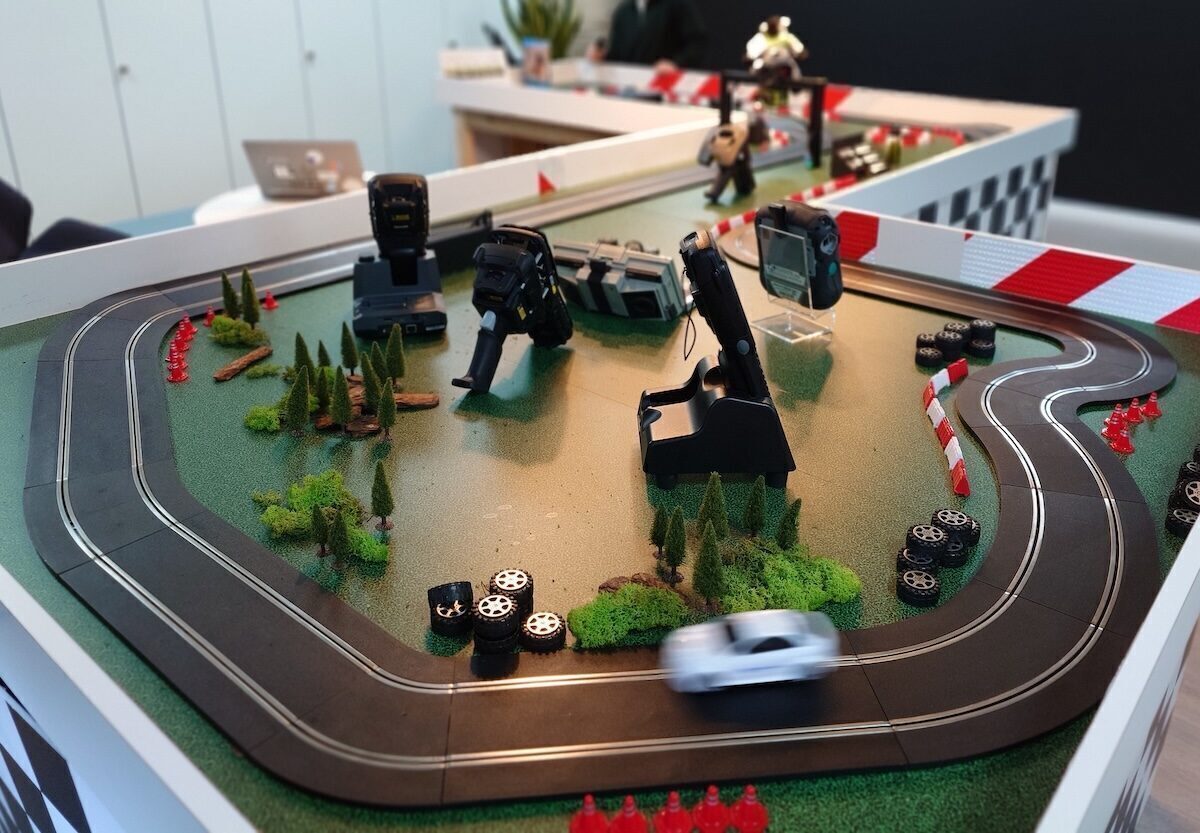
This project started with a simple idea - take a Scalextric track and connect it to some Zebra hardware to show off its capabilities. We went one step further and built a fully deployed experience - one that tracks every lap with millisecond precision, captures a photo as the car crosses the line, and creates a genuinely addictive game. Every technical decision had a player-facing reason. We weren't trying to make it work - we were trying to make it feel like something more.
Fluttercon reaffirmed my belief that Flutter is truly paving the way for the future of multi-platform development.
When I attended Fluttercon Berlin this September, I was blown away by the sheer number of possibilities Flutter offers and the amazing tools showcased by the community.
Attending Fluttercon as a junior developer with only a couple months experience in Flutter felt crazy! I’d never attended anything like this – let alone to this scale. The event, buzzing with seasoned developers, cutting-edge talks, and exciting booths, was both thrilling and intimidating. I couldn’t help but think – was I out of my depth? Would I even understand the discussions?